
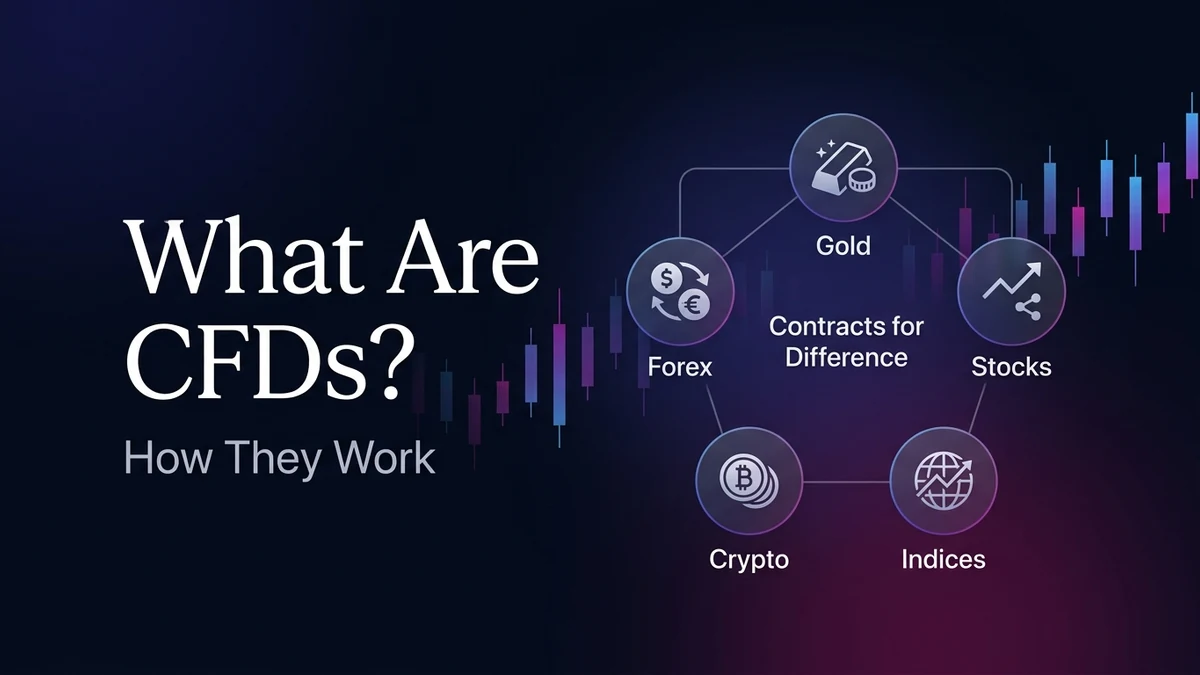
CFD stands for Contract for Difference. It is a financial product that allows traders to speculate on the price movement of an asset without owning the underlying asset. CFDs can be used on markets such as forex, gold, indices, commodities, stocks, and cryptocurrencies, depending on the broker.
When trading a CFD, the trader is not buying the real asset. Instead, they are entering a contract based on the difference between the opening price and the closing price. If the market moves in the trader's favor, the trade may generate profit. If the market moves against them, the trade may generate a loss.
One of the main features of CFD trading is leverage. Leverage allows traders to control a larger position with a smaller amount of capital. This can increase potential profits, but it also increases potential losses. For this reason, risk management is essential.
CFDs are popular because they give access to many markets from one trading platform. Traders can often buy or sell depending on market direction. However, CFDs are complex and high-risk products. They are not suitable for everyone.
Before trading CFDs, traders should understand spreads, commissions, swaps, margin, liquidation risk, and stop losses. The goal should not be to trade bigger, but to trade with a clear plan and controlled risk.